
Essential Tips for First Time Visitors to Madrid
2/14/20264 min read
Understanding Madrid’s Layout and Neighborhoods
Madrid, the vibrant capital of Spain, boasts a layout that is characterized by its distinct neighborhoods, each offering a unique ambiance and cultural experience. For first-time visitors, understanding the layout is crucial to effectively navigate the city. The central area, known as the Madrid de los Austrias, is home to an array of historical landmarks and attractions, making it an inviting starting point for exploration.
Among the most popular neighborhoods, Malasaña is renowned for its bohemian vibe, featuring an eclectic mix of bars, boutiques, and street art. It serves as a cultural hub, particularly for the younger crowd, and provides a lively atmosphere day and night. Similarly, Chueca is famous for its inclusivity, with vibrant nightlife options and a plethora of restaurants serving diverse cuisine. This area is cherished for its welcoming ambiance and forms part of Madrid’s LGBTQ+ scene.
Puerta del Sol serves as the city’s main square and is a crucial transportation hub, linking many significant districts. From here, visitors can easily access other regions of the city. The metro system is an efficient way to travel, with multiple lines connecting various areas of Madrid. Additionally, the bus network is extensive, providing yet another option for those looking to explore beyond the central districts.
Walking routes also present an excellent way to absorb the city’s atmosphere at a leisurely pace. Important sights are often located within reasonable distances, allowing visitors to discover hidden gems along the way. Understanding these neighborhoods and transportation options will greatly facilitate first-time visitors’ experiences, empowering them to confidently navigate Madrid’s diverse landscape.
Cultural Etiquette and Dining Customs
Understanding the cultural etiquette and dining customs of Madrid is essential for first-time visitors to ensure respectful interactions and enjoyable experiences. The Spanish typically dine later than in many other countries; lunch is usually served between 2 PM and 4 PM, followed by dinner, which often begins around 9 PM or later. This dining schedule might be surprising for newcomers, but partaking in this tradition allows visitors to fully embrace the local lifestyle.
When visiting tapas bars, it is common for patrons to order a selection of small dishes to share. This communal approach to dining fosters a social atmosphere, where conversation flows freely among friends and family. It is advisable to try several types of tapas, as these offerings provide a unique insight into local culinary traditions. Additionally, expect to be standing while enjoying your meal, as this is the customary practice in many tapas bars.
Greeting locals in Madrid is another critical aspect of cultural etiquette. A friendly handshake is typical when meeting someone for the first time, while close friends may greet each other with a kiss on both cheeks. This warm, open style reflects the Spanish value placed on interpersonal relationships, with family and friends being central to daily life. Furthermore, respecting the siesta tradition is vital; many businesses may close during the afternoon for a few hours, reflecting the cultural importance of rest and family.
Finally, making a reservation at a restaurant is highly recommended, especially during peak dining hours or in popular locations to guarantee a table. Understanding these customs will not only enhance your visit but also showcase your respect for Spanish culture, making your experience in Madrid all the more enjoyable.
Must-Visit Attractions and Hidden Gems
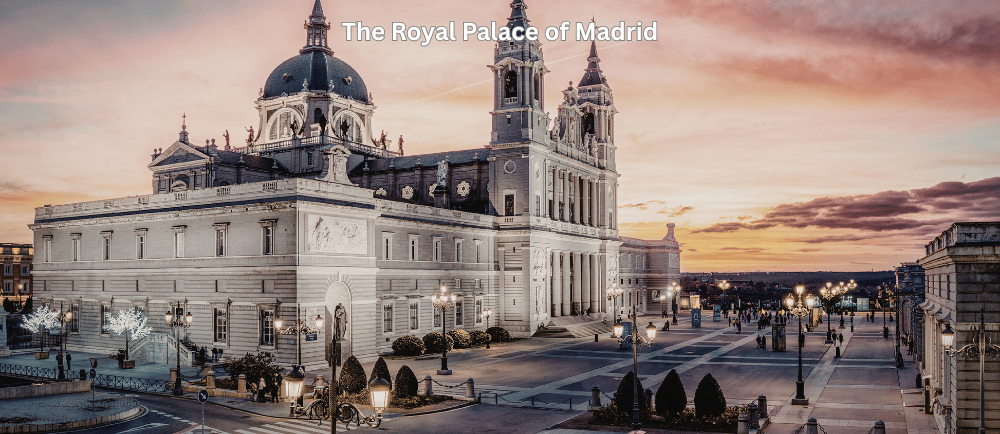
Madrid, the vibrant capital of Spain, offers a wealth of attractions for first-time visitors. Among the city’s most renowned landmarks is the Royal Palace, a stunning architectural masterpiece that serves as the official residence of the Spanish royal family. The palace features opulent rooms, beautiful gardens, and an expansive collection of art, making it a must-visit for those interested in history and culture.
The Prado Museum is another essential stop for art enthusiasts. Housing one of the finest collections of European art, including works by masters like Velázquez and Goya, the museum provides a deep insight into Spain's rich artistic heritage. Planning a visit can enhance your experience, as guided tours often reveal the fascinating stories behind the paintings.
Retiro Park, a vast green space in the heart of the city, offers a refreshing contrast to the urban landscape. This idyllic park is perfect for leisurely strolls or picnics, featuring beautiful lakes, gardens, and outdoor art exhibitions. Rent a rowboat for a unique perspective of the park or enjoy the numerous cultural events often held in its grounds.
In addition to these iconic sights, Madrid is also home to numerous hidden gems that are worth exploring. The Malasaña neighborhood, with its bohemian vibe, is known for its eclectic shops, street art, and lively cafes, providing a glimpse into the city's modern culture. Another lesser-known treasure is the Chueca district, celebrated for its vibrant LGBTQ+ community, where visitors can enjoy unique boutiques and innovative gastronomy.
For a truly authentic experience, don't miss the San Miguel Market, a bustling food market that showcases local delicacies and gourmet treats. Here, visitors can savor everything from tapas to artisanal cheeses, providing a taste of Madrid's culinary diversity.
By blending these iconic attractions with off-the-beaten-path experiences, tourists can fully immerse themselves in the rich tapestry of life in Madrid, ensuring a memorable visit.
Navigating Local Transportation and Safety Tips
Madrid offers an extensive and efficient public transport system, which is ideal for first-time visitors who want to explore the city conveniently. The Madrid Metro is one of the most reliable options, with numerous lines connecting various neighborhoods. To use the metro, travelers can purchase tickets from automated machines located in all metro stations. Options include single journey tickets, a ten-trip ticket known as the "Metrobús" pass, and tourist travel passes that allow unlimited travel within the designated time frame. Buses are equally plentiful and can be a delightful way to see the city while traveling from one point to another.
Walking and cycling are also highly recommended options for getting around Madrid, especially in the city center where many attractions are within close proximity. Public bike-sharing services, such as BiciMAD, allow visitors to rent bicycles for a fee, promoting an eco-friendly traveling approach while rewarding riders with the delight of shorter travel times.
Safety is a critical aspect to consider while navigating the city. Tourists should remain vigilant against common scams, particularly in crowded areas like tourist attractions and public transport. It is advisable to keep bags securely closed and to be cautious of street performers and distraction techniques employed by petty thieves. While lost in thought admiring the sights, ensure that personal belongings are always within reach and monitored for any unusual activity.
Click here for an unforgettable Madrid experience.
In case of an emergency, knowing the local emergency numbers is essential. The general emergency services number throughout Spain is 112. Having this number accessible can provide peace of mind while navigating Madrid’s vibrant surroundings. Armed with the knowledge of public transportation, safety precautions, and emergency contacts, first-time visitors can enjoy a secure and memorable experience in the captivating city of Madrid.