
Essential Tips for First-Time Visitors to Madrid
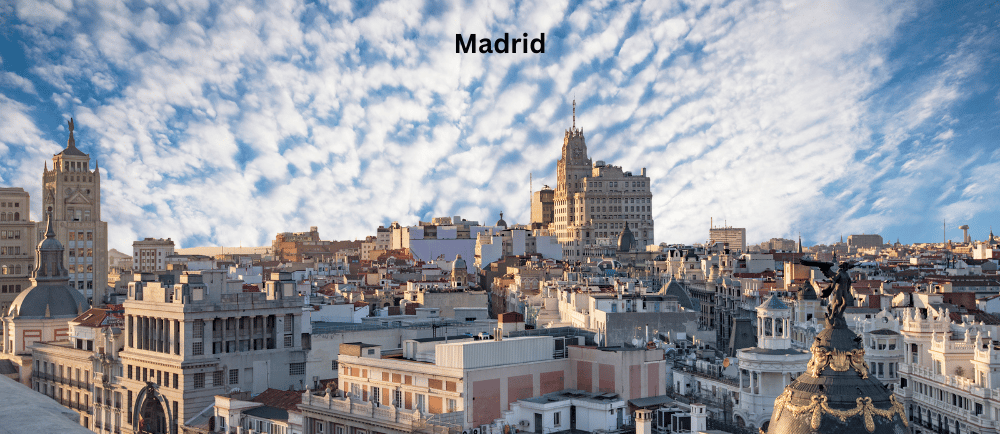
Madrid, the vibrant capital of Spain, boasts a rich cultural heritage that deeply influences its residents' daily lives. For first-time visitors, understanding Madrid's culture and etiquette is essential to ensuring an enjoyable and respectful experience.
2/13/20266 min read
Understanding Madrid's Culture and Etiquette
Madrid, the vibrant capital of Spain, boasts a rich cultural heritage that deeply influences its residents' daily lives. For first-time visitors, understanding Madrid's culture and etiquette is essential to ensuring an enjoyable and respectful experience. One notable aspect of the city's social customs is the importance of greetings. A friendly "Hola" followed by a kiss on both cheeks is standard among acquaintances and is indicative of the warm Spanish hospitality. Visitors should likewise embrace this custom, as it fosters a sense of connection and approachability.
Dining etiquette in Madrid also plays a significant role in social interactions. Meals are often seen as communal events, where family and friends gather to share food, laughter, and stories. When dining out, it is customary to wait for the host to begin eating before digging into the meal. Additionally, the Spaniards are known for their late dining hours; dinner typically occurs around 9 PM or later, reflecting the cultural perspective of savoring time together. First-time visitors should be prepared for this leisurely dining experience, which is central to the local lifestyle.
Culinary Adventures in Madrid: What to Eat as a First-Time Visitor
Best Tapas in Madrid: Where to Eat Like a Local in Spain’s Capital
Moreover, the concept of 'siesta' remains an iconic element of Madrid's daily rhythm. Traditionally observed after lunch, siesta allows Spaniards to rejuvenate before continuing their day. This practice affects local business hours, with many shops and restaurants closing in the early afternoon to reopen later in the evening. As a visitor, it is essential to adapt to these timings to enjoy the fullest array of experiences, whether it be shopping, dining, or accessing local attractions.
Finally, family and community gatherings are held in high regard in Madrid's culture. Engaging with locals during festivals or community events can enrich one's understanding of their values and way of life. By respecting these cultural norms and rituals, visitors will find themselves welcomed into the heart of Madrid, experiencing its culture authentically and profoundly.
Transportation Options in Madrid
When visiting Madrid, understanding the transportation options available can significantly enhance your experience. The city boasts a comprehensive public transport system, which includes an efficient metro, buses, and local taxis, making it easy for first-time visitors to navigate its vibrant streets.
The Madrid Metro is one of the most efficient ways to travel around the city. It operates extensively, with numerous lines connecting various neighborhoods, landmarks, and the airport. Visitors should consider purchasing a Multi Card, which allows for convenient travel using either single tickets or a rechargeable pass. Tickets can be purchased at automated machines located in each metro station, and instructions are available in multiple languages, making it user-friendly for tourists.
Hotels in Madrid:
Buses are another excellent mode of transportation in Madrid, complementing the metro system. They cover areas not reached by the underground and run frequently. Look for the green buses marked with the letter "EMT." A similar ticketing system used for the metro applies to buses, allowing for seamless transfers between the two. The local transport app can assist visitors in planning their routes and checking the schedules in real-time.
Taxis are readily available and can be hailed on the street or booked via phone or mobile applications. They offer a more personalized transportation experience, especially for travelers carrying heavy luggage or those who prefer not to navigate the metro during peak hours.
Click here for the 7 days private tours and transportation in Madrid and Barcelona
Walking or cycling is also highly recommended in Madrid, as many attractions are situated close to each other. The city features numerous pedestrian-friendly areas and dedicated cycling lanes, allowing visitors to explore at a leisurely pace while enjoying the rich culture and sights.
When using public transport, safety should always be a priority. Keep personal belongings secure, and remain alert on crowded metros and buses. Avoid common pitfalls, such as accepting unsolicited help from strangers, to ensure a safe and enjoyable experience while making your way through the vibrant city of Madrid.
Must-See Attractions and Hidden Gems
Madrid, the vibrant capital of Spain, is a city overflowing with rich history, stunning architecture, and world-renowned art. As a first-time visitor, it is essential to navigate through some of the must-see attractions while also uncovering hidden gems that define the spirit of this magnificent city.
Madrid 2-Day Itinerary: The Perfect First-Time Guide
The Ultimate Madrid Nightlife Guide for Tourists
Explore Private Tours in Madrid and Barcelona
The Royal Palace, one of the most iconic landmarks in Madrid, boasts opulent interiors and lush gardens, inviting visitors to delve into Spain's regal history. A guided tour through its grand rooms offers a glimpse of royal artifacts and exquisite artworks, making it a worthy stop. To maximize enjoyment, consider visiting early in the morning to avoid large crowds.
Click here to view the Prado Museum, Royal Palace & Madrid Walking Tour
Another essential site is the Prado Museum, home to an extensive collection of European art, including works by Velázquez and Goya. An insightful experience awaits as you explore its galleries; purchasing tickets in advance can save time, ensuring that you focus more on the art than in line.
Click here to view the Prado and Reina Sofía Museums Guided Tour with Fast Track Access
For those seeking tranquility amidst the urban hustle, Retiro Park is a must-visit. This expansive green space features serene walking paths, picturesque lakes, and charming sculptures. It serves as the perfect place for a midday break. Visiting during weekdays offers a more peaceful environment, away from the weekend crowds.
Click here to view the Tuk Tuk tour in Madrid
Beyond the famous attractions, don’t miss hidden gems like the Malasaña neighborhood with its quirky boutiques and vibrant street art, or the Temple of Debod, an ancient Egyptian temple nestled in the heart of the city. Exploring these lesser-known sites provides a unique perspective on Madrid's character.
To appreciate the beauty of these locations fully, consider timing your visits based on local events or guided tours. This can enhance your understanding of their historical significance while avoiding peak tourist times.
You'll need travel insurance for your trip. Click here for the best option.
Culinary Delights: What and Where to Eat
Madrid is a city that prides itself on a vibrant gastronomic culture, offering a variety of culinary delights that attract first-time visitors seeking an authentic taste of Spain. One of the city's iconic dishes is tapas, which are small plates that can include everything from olives and cheese to more elaborate offerings such as patatas bravas and jamón ibérico. Popular neighborhoods like La Latina and Malasaña are renowned for their numerous tapas bars, where visitors can experience an array of flavors in a single evening.
Save money while keeping in touch with your loved ones with
Your eSIM Data Solution for Spain
Churros, fried dough pastries typically enjoyed for breakfast, are another must-try when in Madrid. These sweet treats are best enjoyed dipped in rich hot chocolate and can be found at traditional establishments such as Chocolatería San Ginés, which has been delighting patrons since 1894. Additionally, local delicacies like cocido madrileño—a hearty chickpea stew—and bacalao al pil-pil, a cod dish in a garlic and olive oil sauce, showcase the region's distinct flavors.
For those eager to explore modern interpretations of traditional cuisine, the city boasts a flourishing scene of innovative restaurants that offer tapas with a twist and fusion dishes inspired by global influences. Dining customs in Madrid tend to differ from other regions, with lunch usually served around 2 PM and dinner not until after 9 PM. This late dining culture allows visitors to enjoy leisurely meals while soaking up the lively atmosphere of local eateries.
To truly enhance their culinary experience, visitors are encouraged to explore markets such as Mercado de San Miguel or Mercado de San Antón, where they can sample gourmet delicacies and local wines. Additionally, guided food tours present an excellent opportunity to discover hidden gems while navigating the city's culinary landscape. With these tips, first-time visitors can indulge in a memorable culinary adventure in Madrid.


